Visit Exmoor National Park
Exmoor is a walkers paradise. There are countless beautiful and varied walks to choose from. If walking does not appeal, but relaxing in nature does, there are many beauty spots that can be enjoyed with less effort!
Our own walking highlights include: North Hill, Selworthy Beacon, Bossington Hill, Bossington and Porlock Beach, Porlock Weir, Dunkery Beacon, the East Lyn River between Lynmouth and Watersmeet, the Barle Valley, Badgeworthy Water (also known as Doone Valley), Foreland Point, Tarr Steps, County Gate to Lynmouth and Woody Bay to the Hunter’s Inn at Heddon’s Mouth.
Visit https://www.exmoor-nationalpark.gov.uk/ for more information.
The South West Coat Path begins in nearby Minehead. The first 42 miles of this path, Minehead to Ilfracombe are in easy reach from Keld by car.
This section of the coast path offers breath-taking views of headlands, coves and bays.
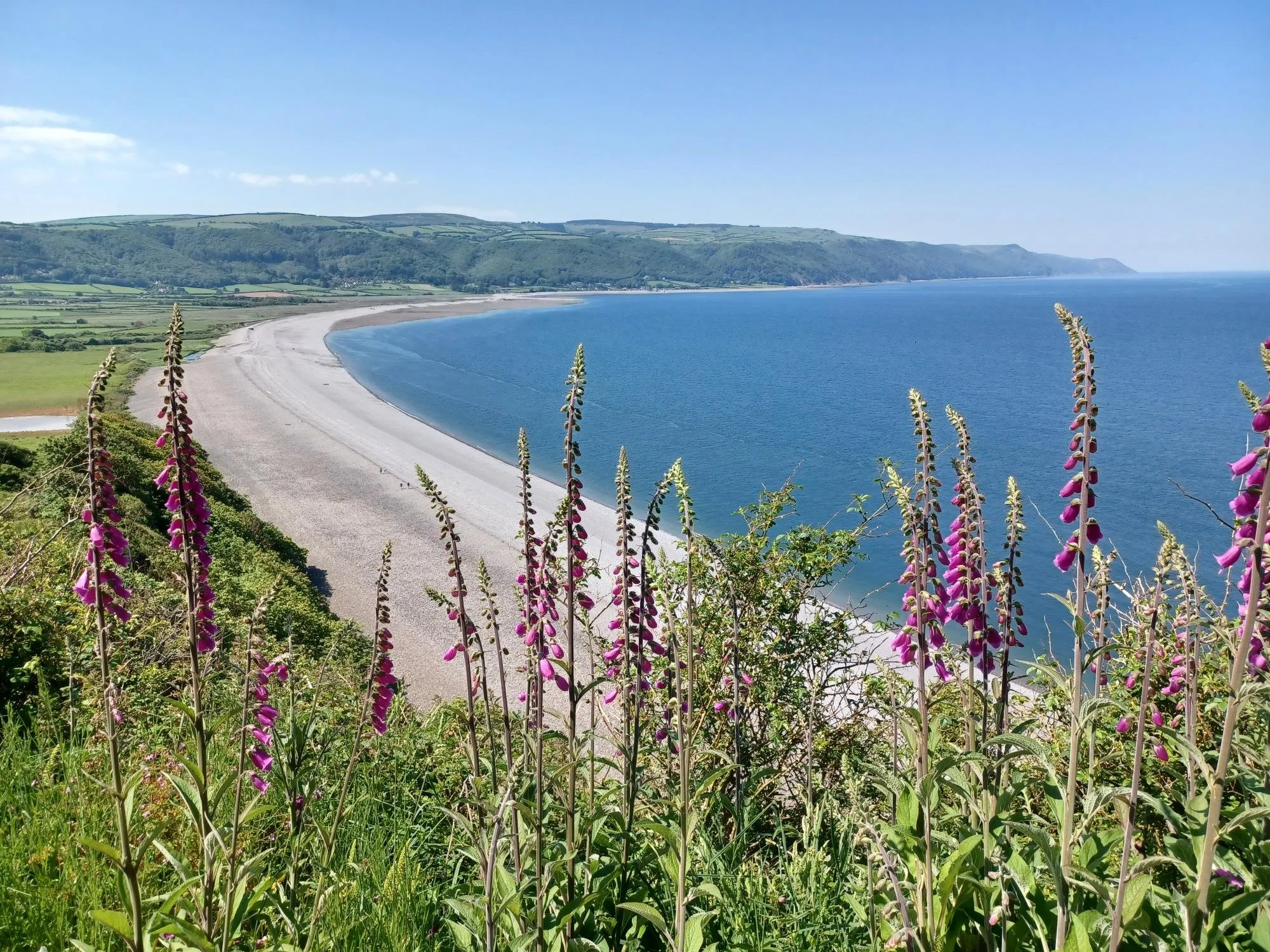
(Looking over Bossington beach and Porlock beach towards Porlock Weir)
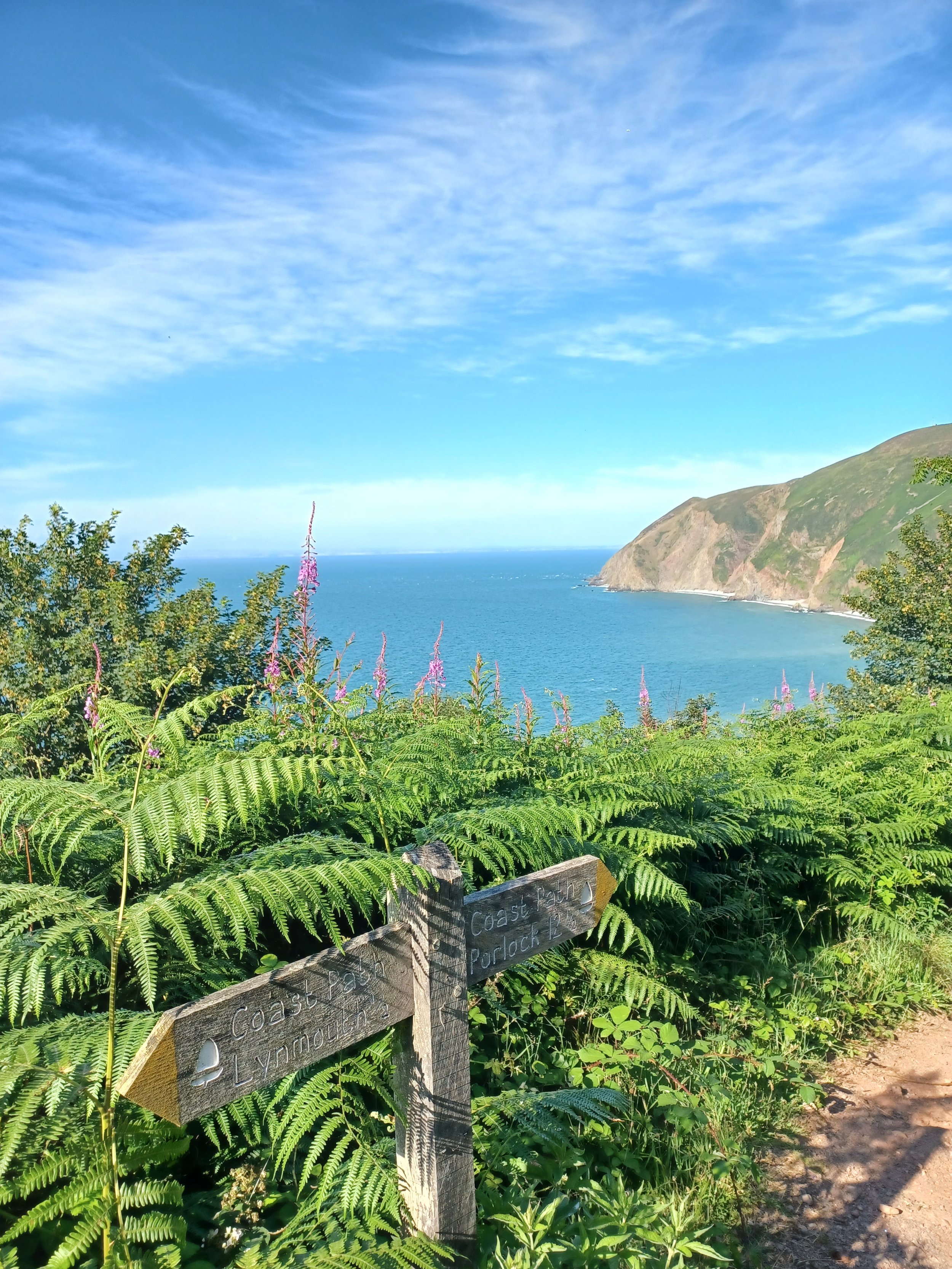
(South West Coast Path between Porlock and Lynton)
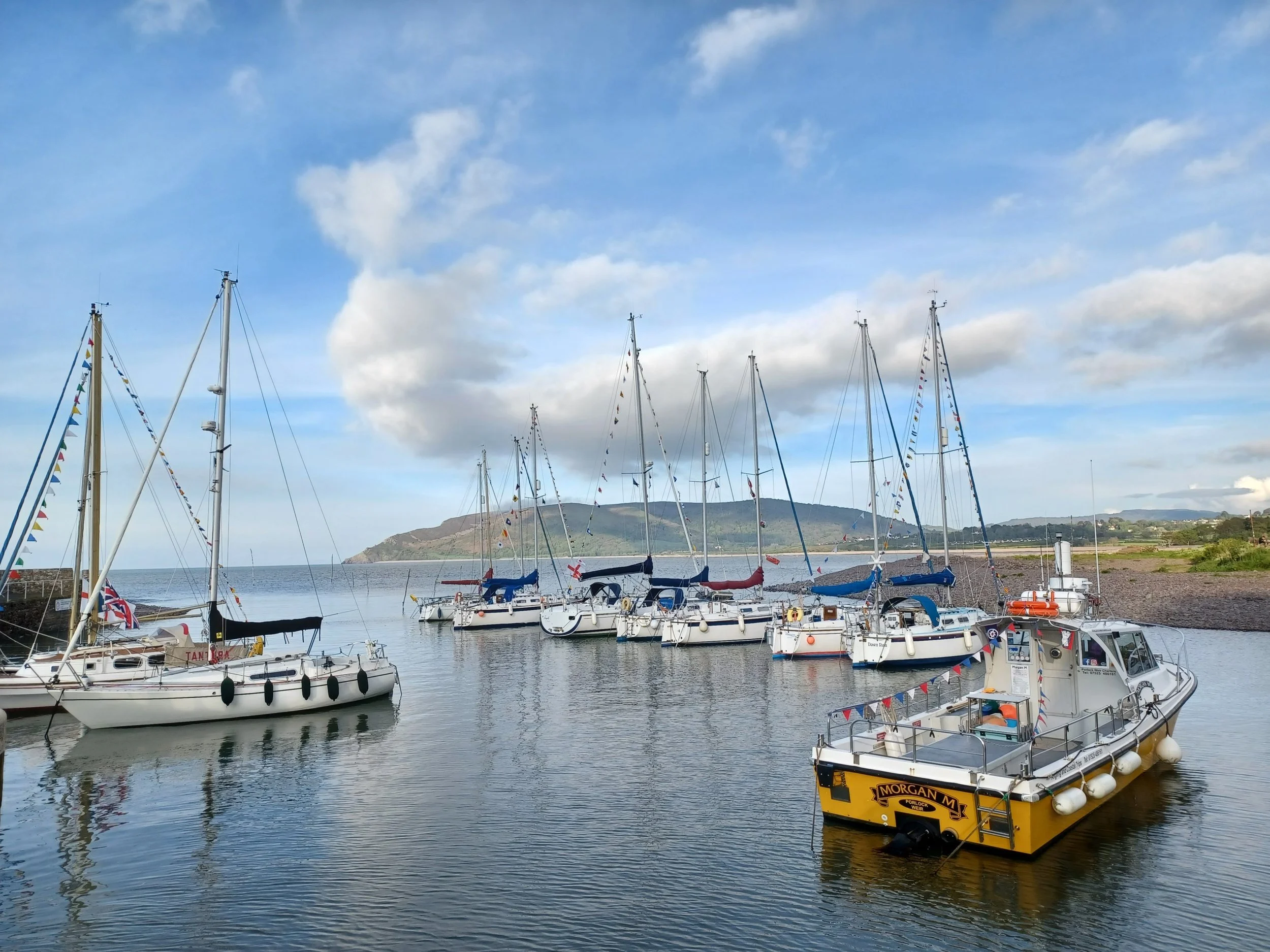
(Porlock Weir)
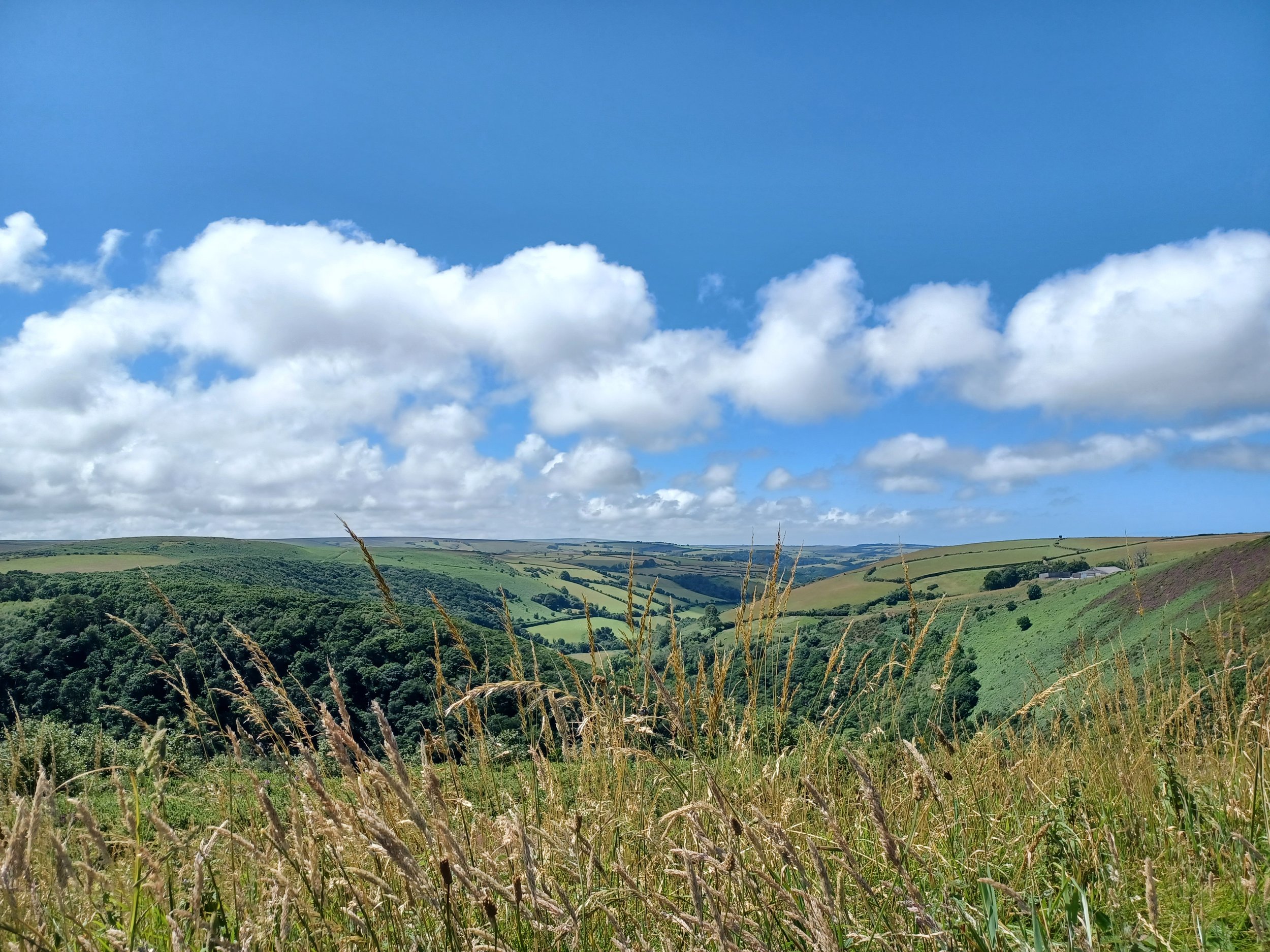
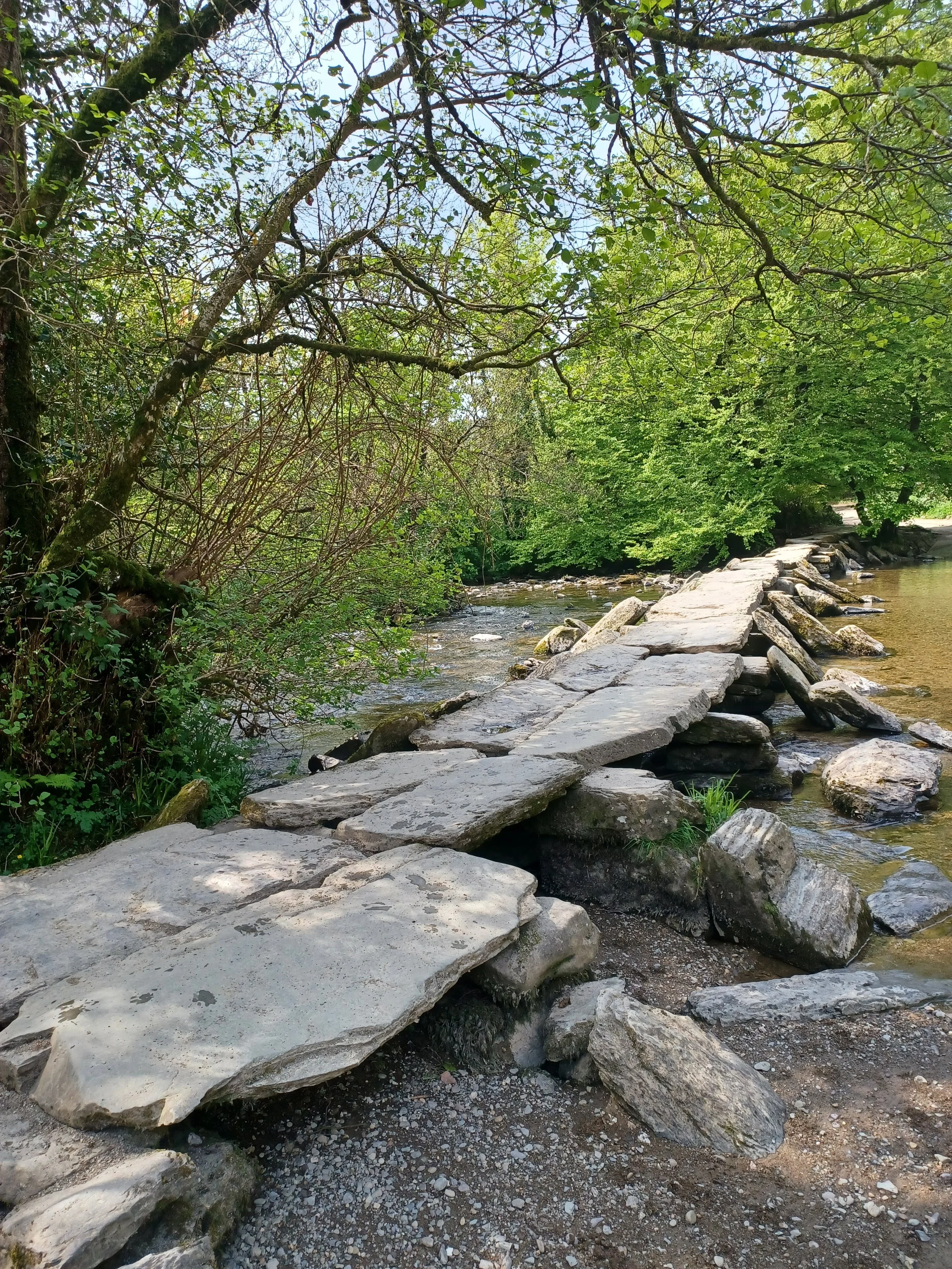
(Tarr Steps)
Tarr Steps is a prehistoric clapper bridge spanning the Barle river. It features 17 massive stone spans and is the longest structure of its kind in Britain. Possible dating back to the Bronze age, it is a Grade 1 listed monument. Tarr Steps is about 2 .5 miles East of Withypool and 4 miles North-West of Dulverton. Use postcode TA22 9QA for your Satnav. There is a main car park and public toilets at the site. Tarr Farm Inn sits by the bridge, a welcome refreshment stop after a riverside walk. The bridge is a 140 foot descent from the main car park with an accessible flat path.
Exmoor is home to plentiful birdlife, Exmoor ponies, deer and (at the Valley of Rocks), a herd of intrepid goats!
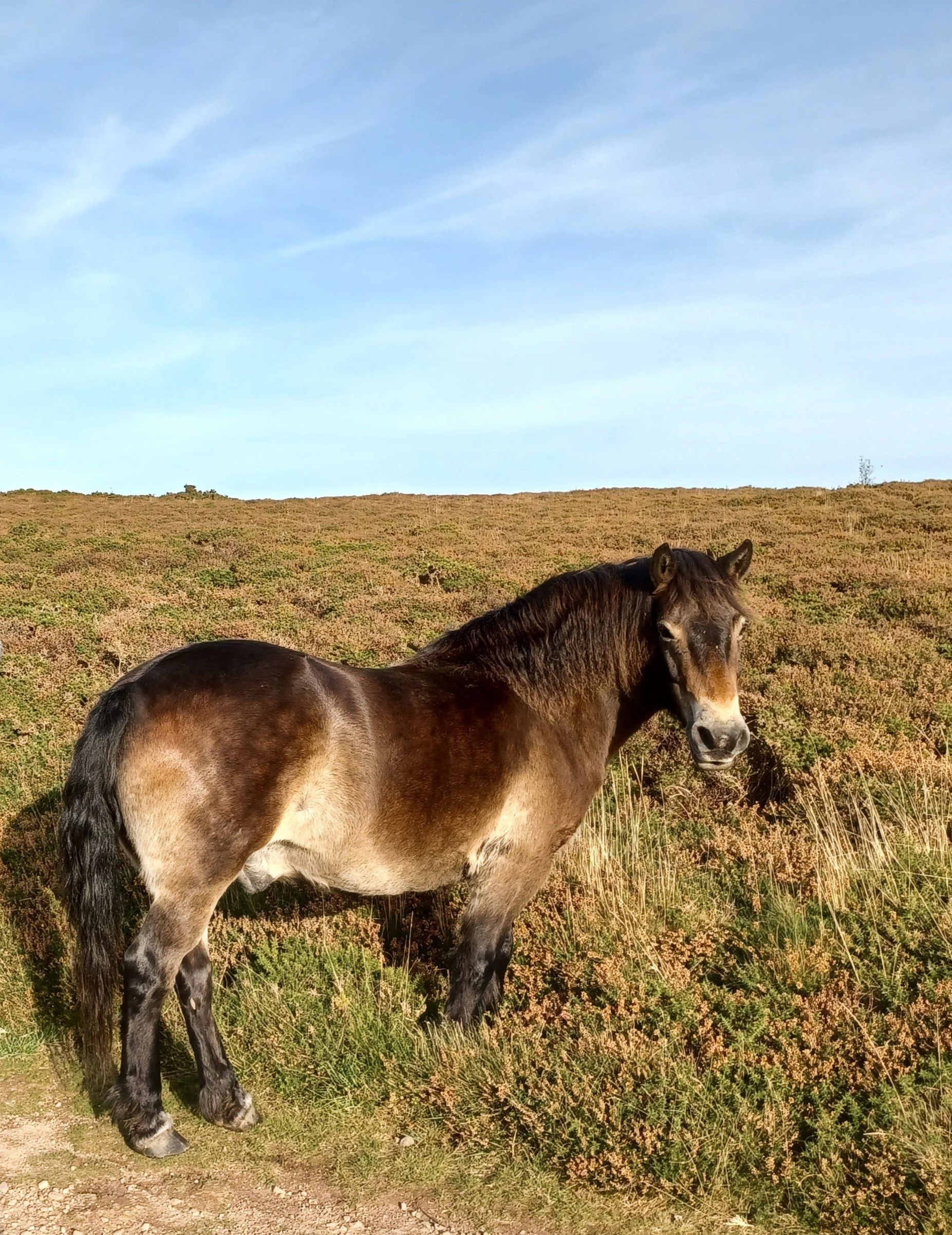
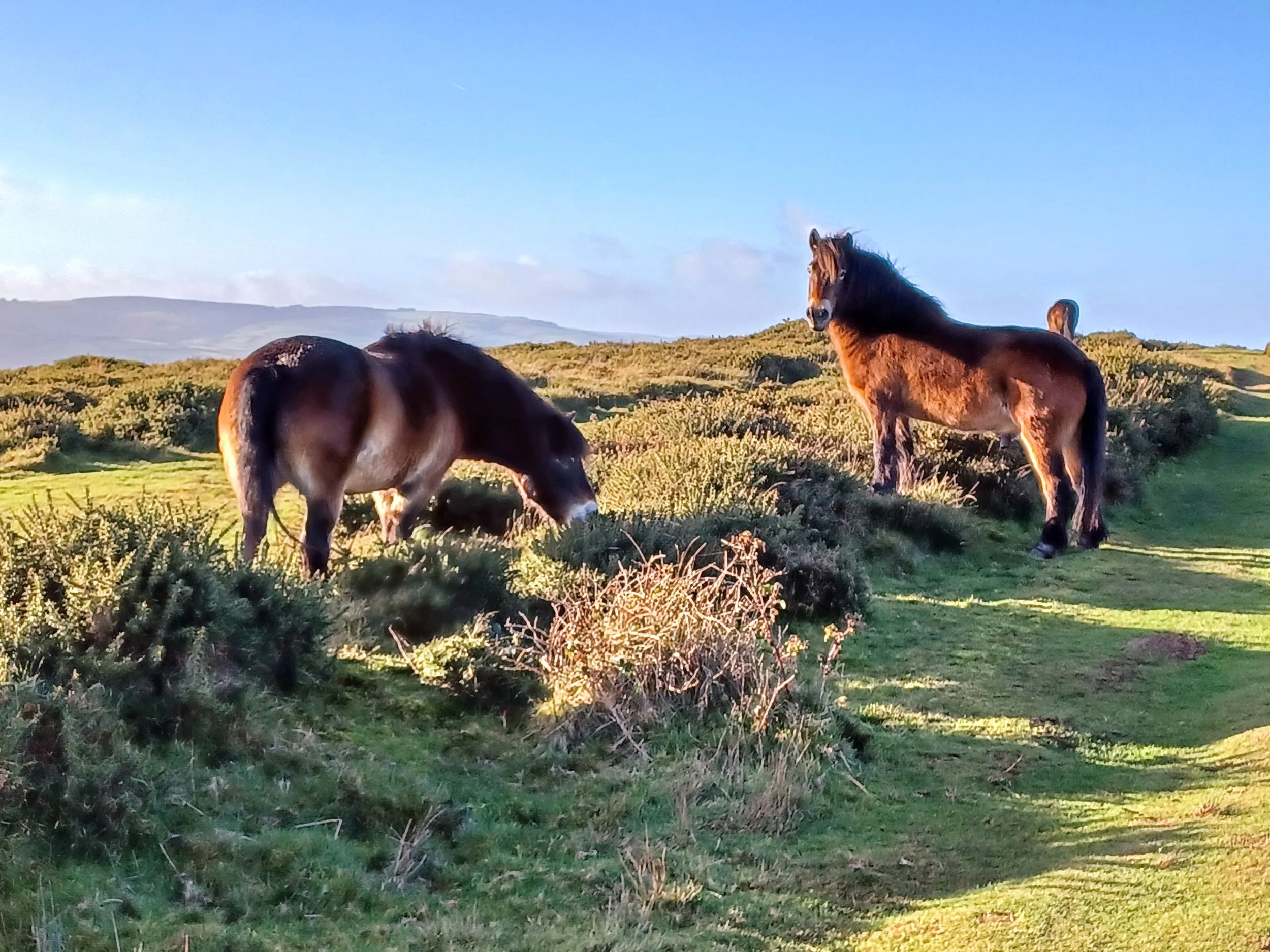
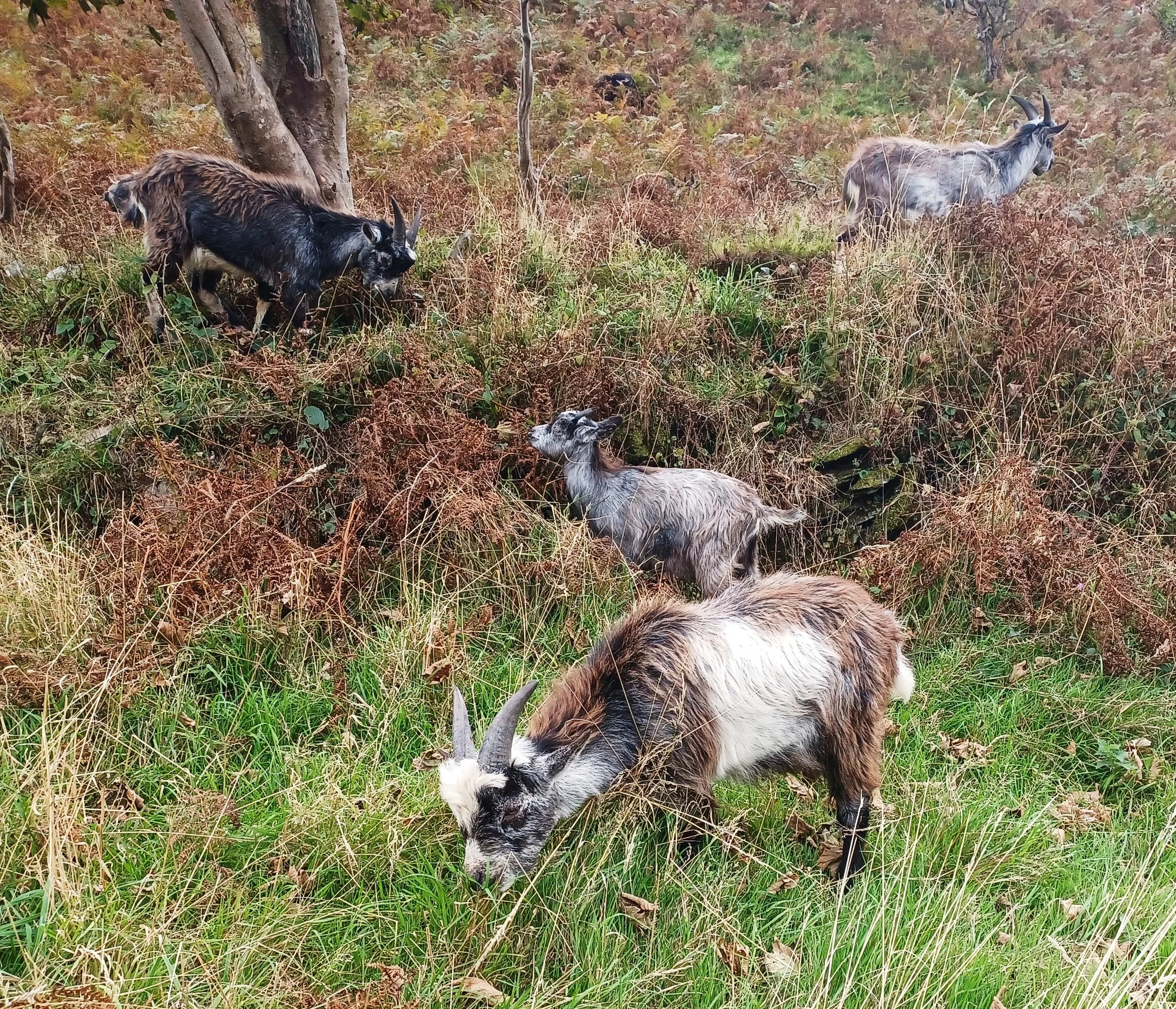
(Exmoor ponies on Bossington Hill and goats at the Valley of Rocks)
Many of our favourite walks are detailed in our apartment information folder. Most of these walks have a tearoom or a pub nearby. Maps and walking guides are available on our bookshelves to aid your exploration.
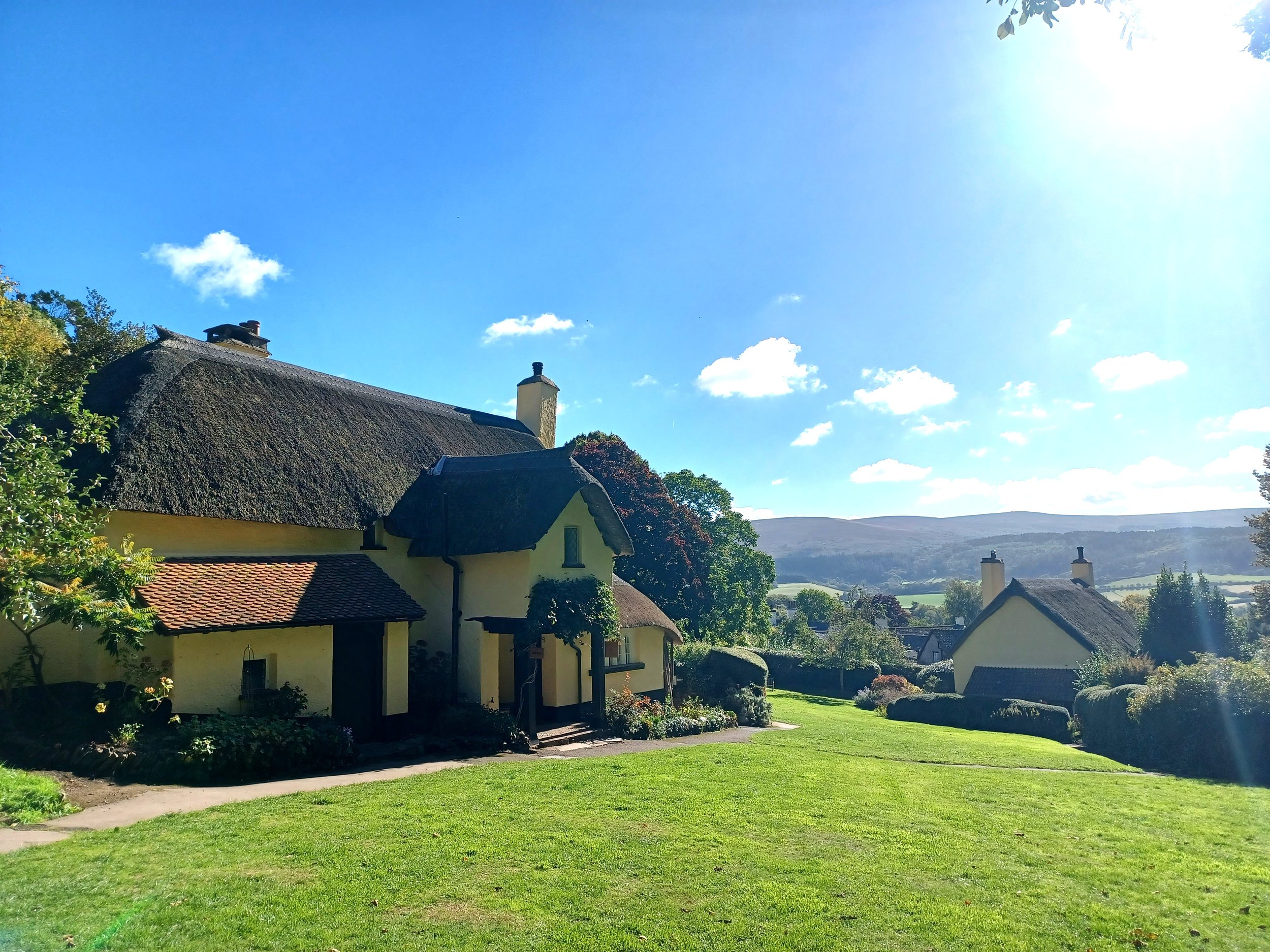
(Perriwinkle Tearoom at the picture postcard hamlet of Selworthy)
We are discovering new walks all the time as we continue to explore.
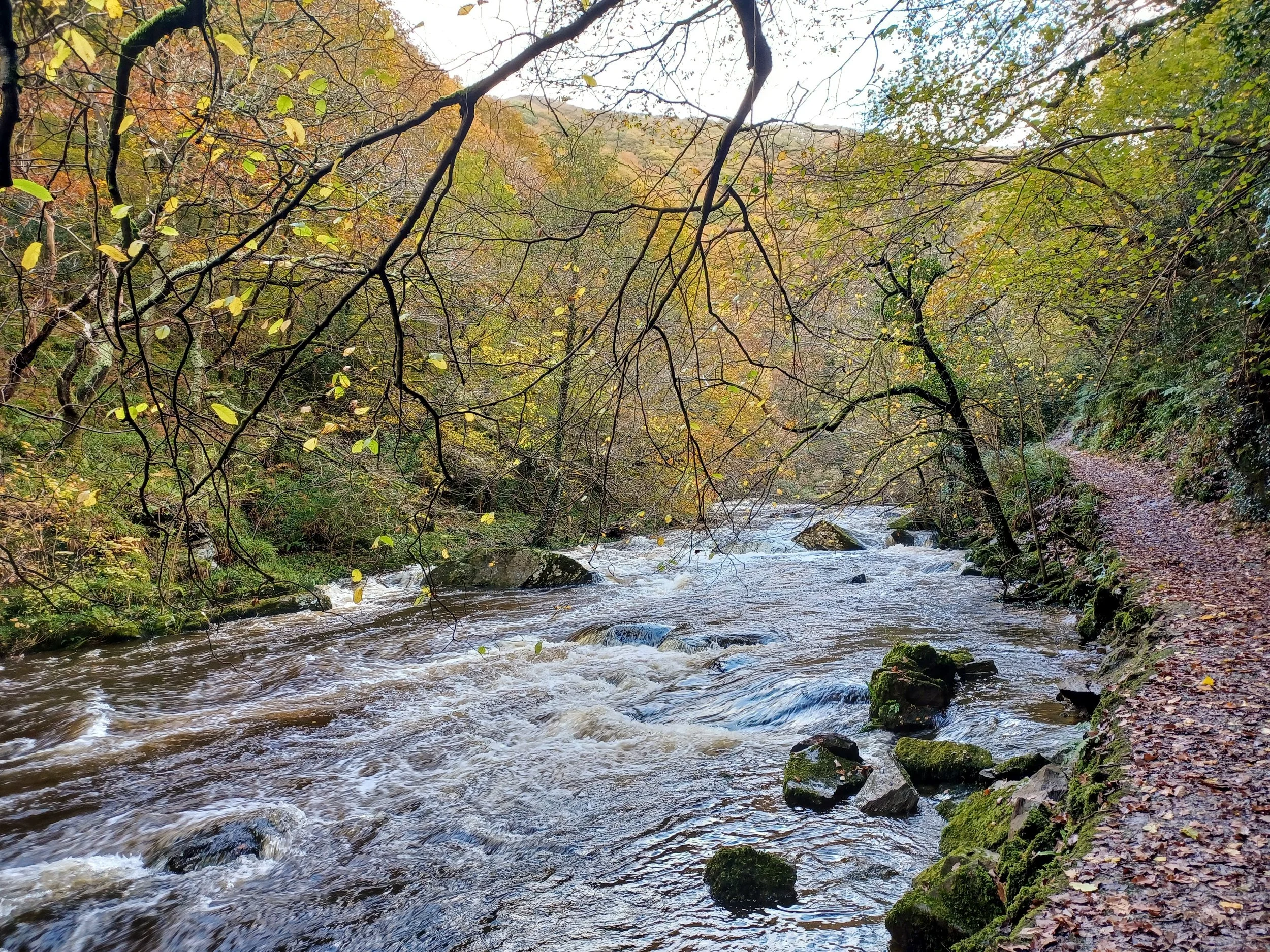
(The East Lyn River between Lynmouth and Watersmeet)
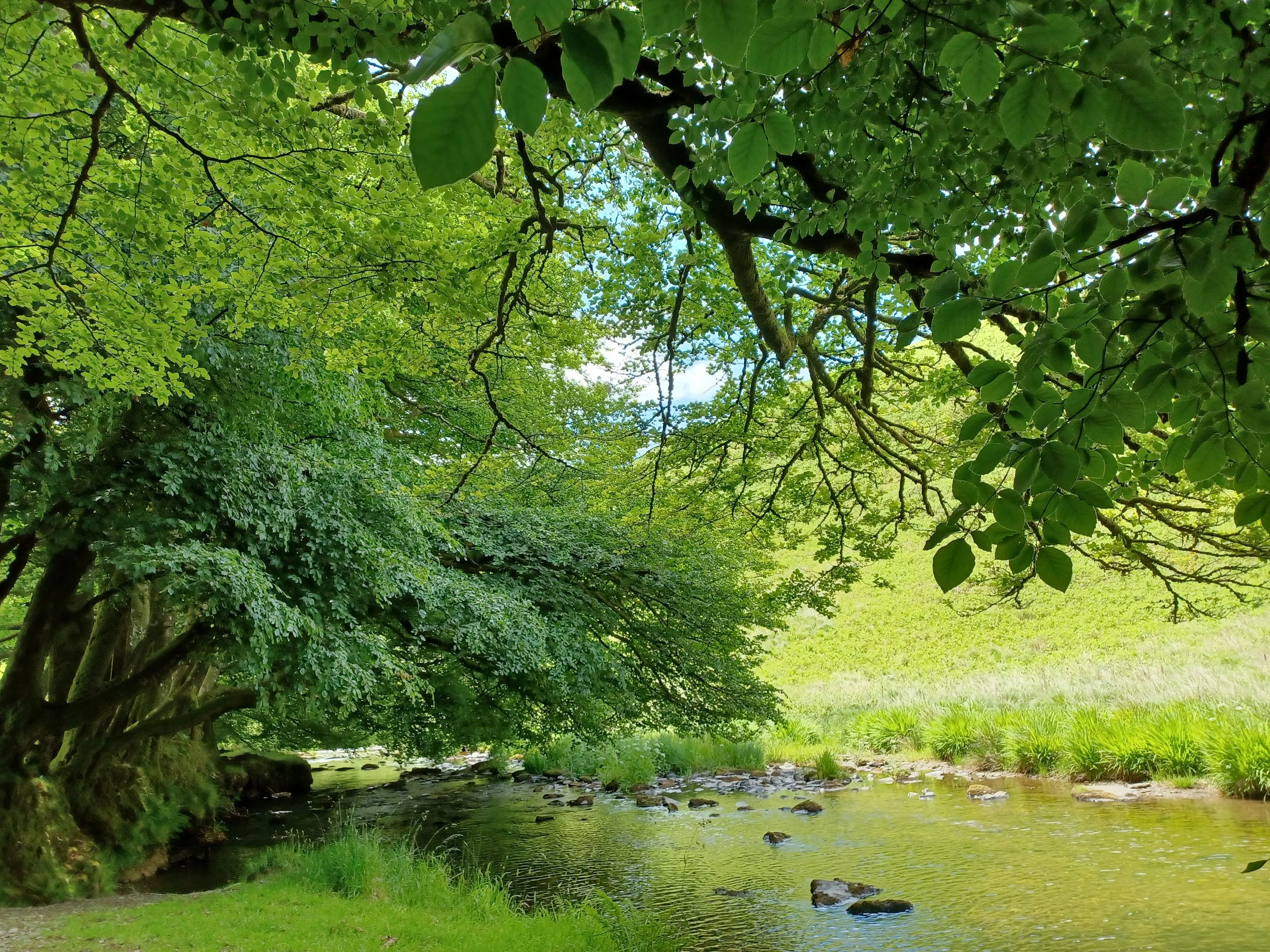
(The River Barle near Simonsbath)
Starting from Lynmouth car park (a terminus for busses to Porlock in high season), walking along the East Lyn river is always a joy. Situated within a deep valley, the water here is always in a hurry, rushing over stones and boulders. After heavy rains, and there is an added sense of drama as
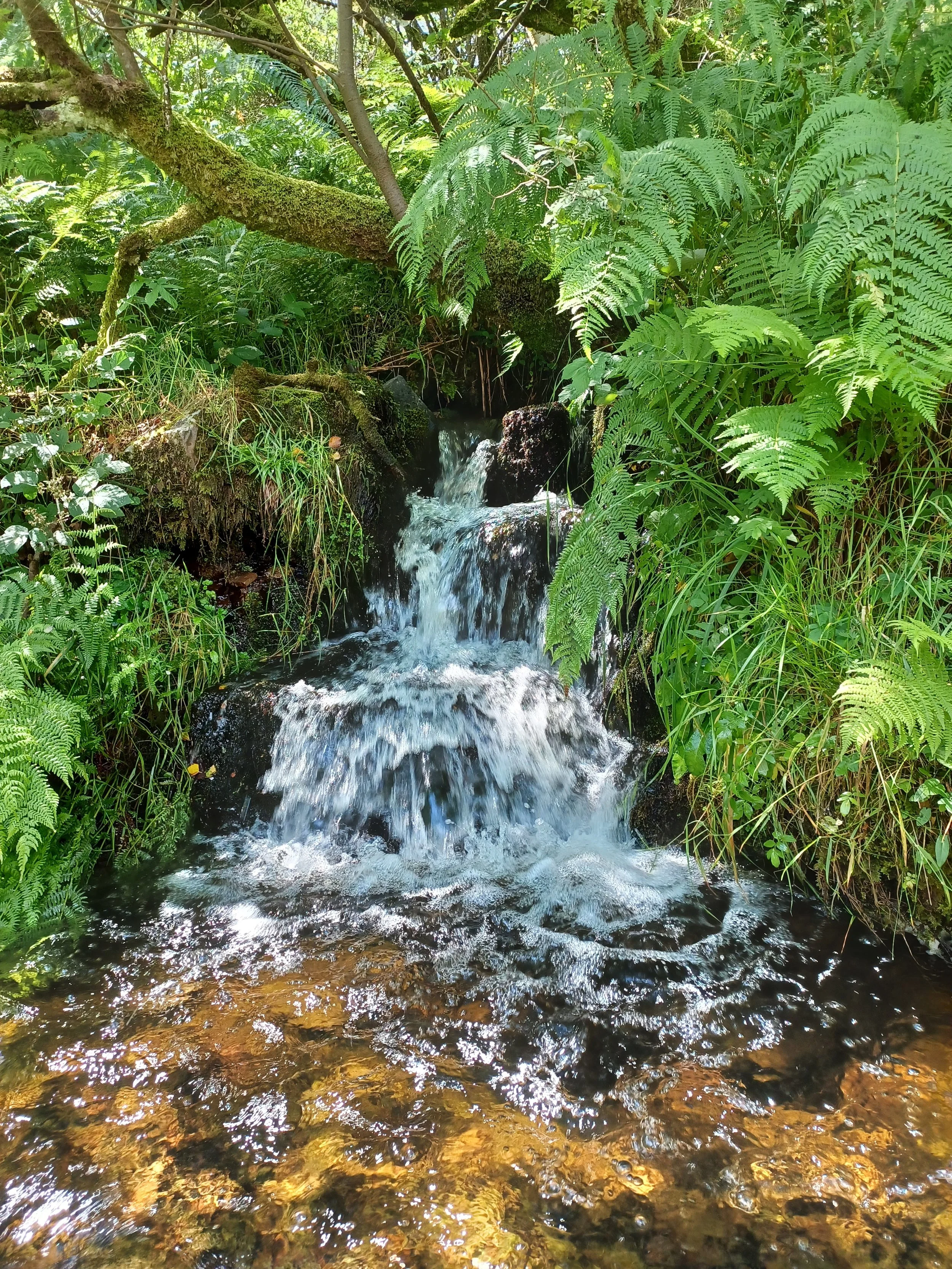
(Waterfall at Badgeworthy Water, Doone Valley)
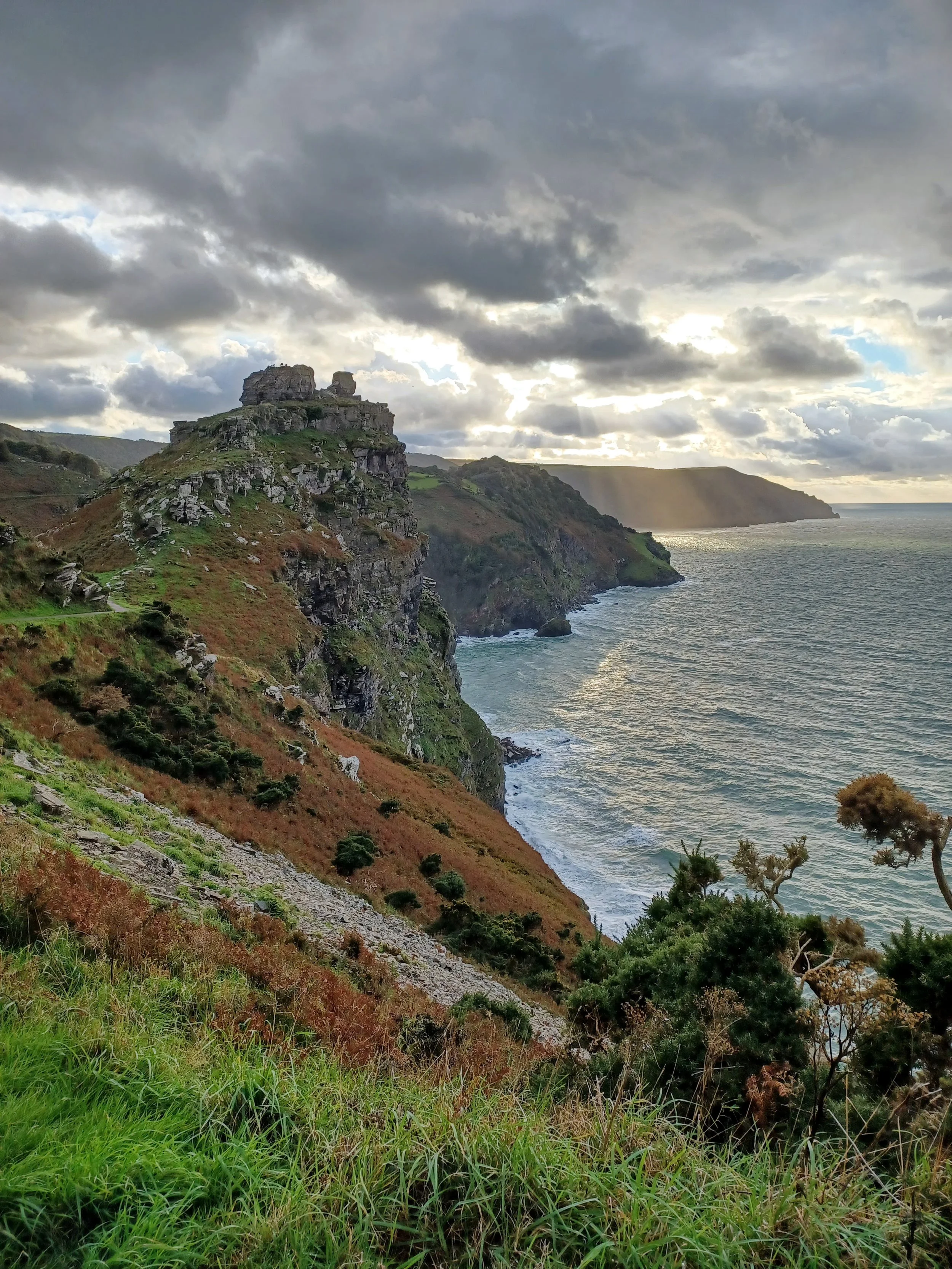
(Castle Rock, Valley of Rocks)
The Valley of Rocks is a low-lying flat Valley floor sandwiched between massive, jagged rock formations and steep heathland. Tarmac paths along the cliff edge offer sweeping views of the Bristol Channel. The valley floor and lower slopes are carpeted with lush green grass, feathery ferns, and gorse. Heath and woodland behind the valley is crisscrossed by miles of hiking trails.
The valley is famous for its resident herd of feral goats, who roam the valley and expertly scale the cliffs. Weather-beaten sandstone outcrops and craggy rock towers rise skyward. Notable formations include Castle Rock, which looms over the sea, Rugged Jack and the Devil's Cheesewring.
The haunting, romantic beauty of the landscape has inspired British writers, including Samuel Taylor Coleridge and William Wordsworth. The Valley has a great beauty in all weathers, seasons and times of the day. Surnrise, sunset and cloudy skies enhance it’s drama.
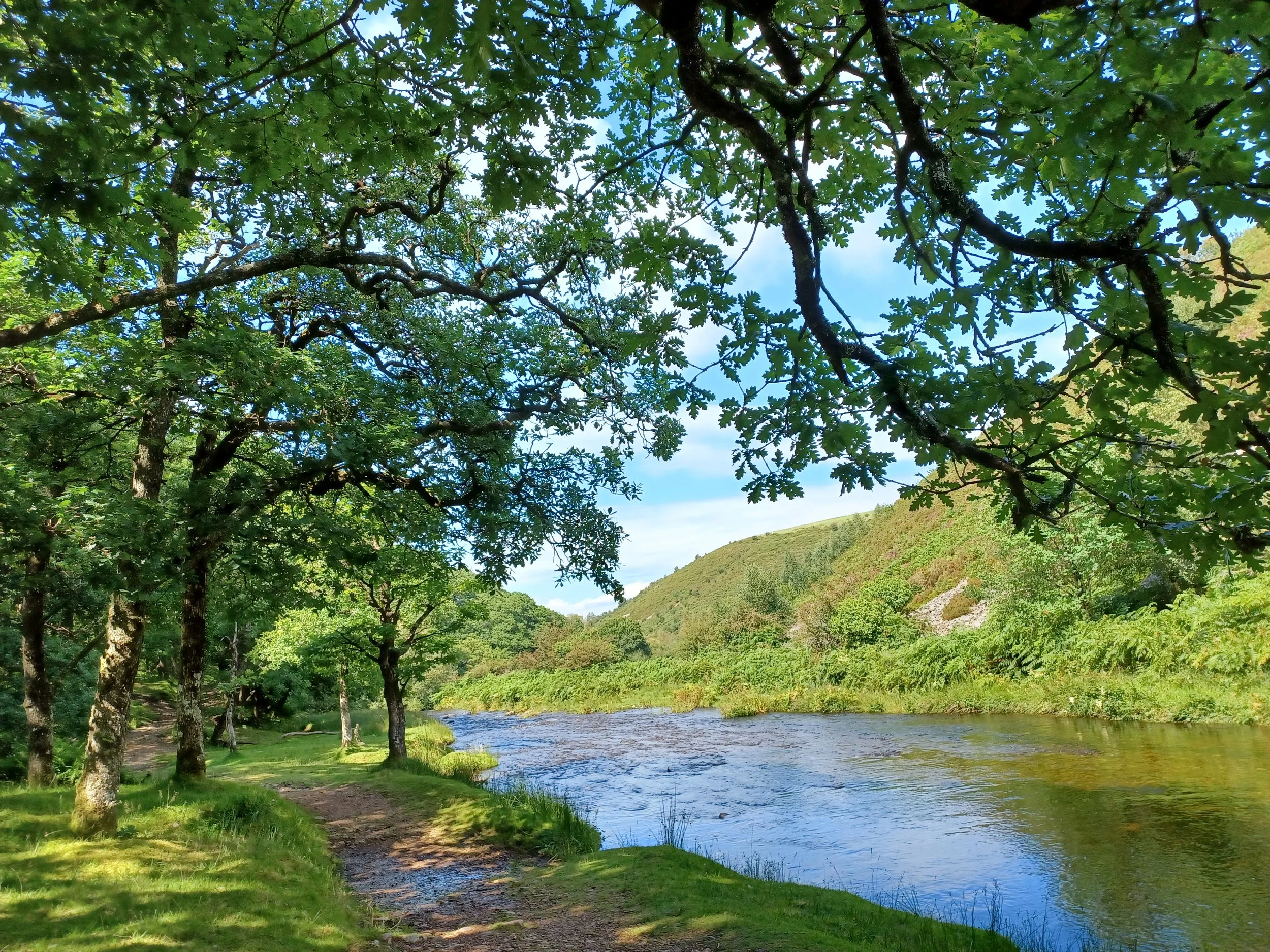
(Badgworthy Water in Doone Valley)
Badgworthy Water is a crystal clear river that winds through picturesque Doone Valley. This wild and romantic landscape was immortalised in R.D. Blackmore’s classic 1869 novel Lorna Doone, which tells the story of the lawless Doone clan and the peasant farmer John Ridd. See a memorial to R D Blackmore on the riverside path. Historic Oare Church, the setting of the wedding in Lorna Doone, is nearby. The deserted medieval village of Badgworthy sits on the open moorland, where you can still trace the outlines of ancient homes.
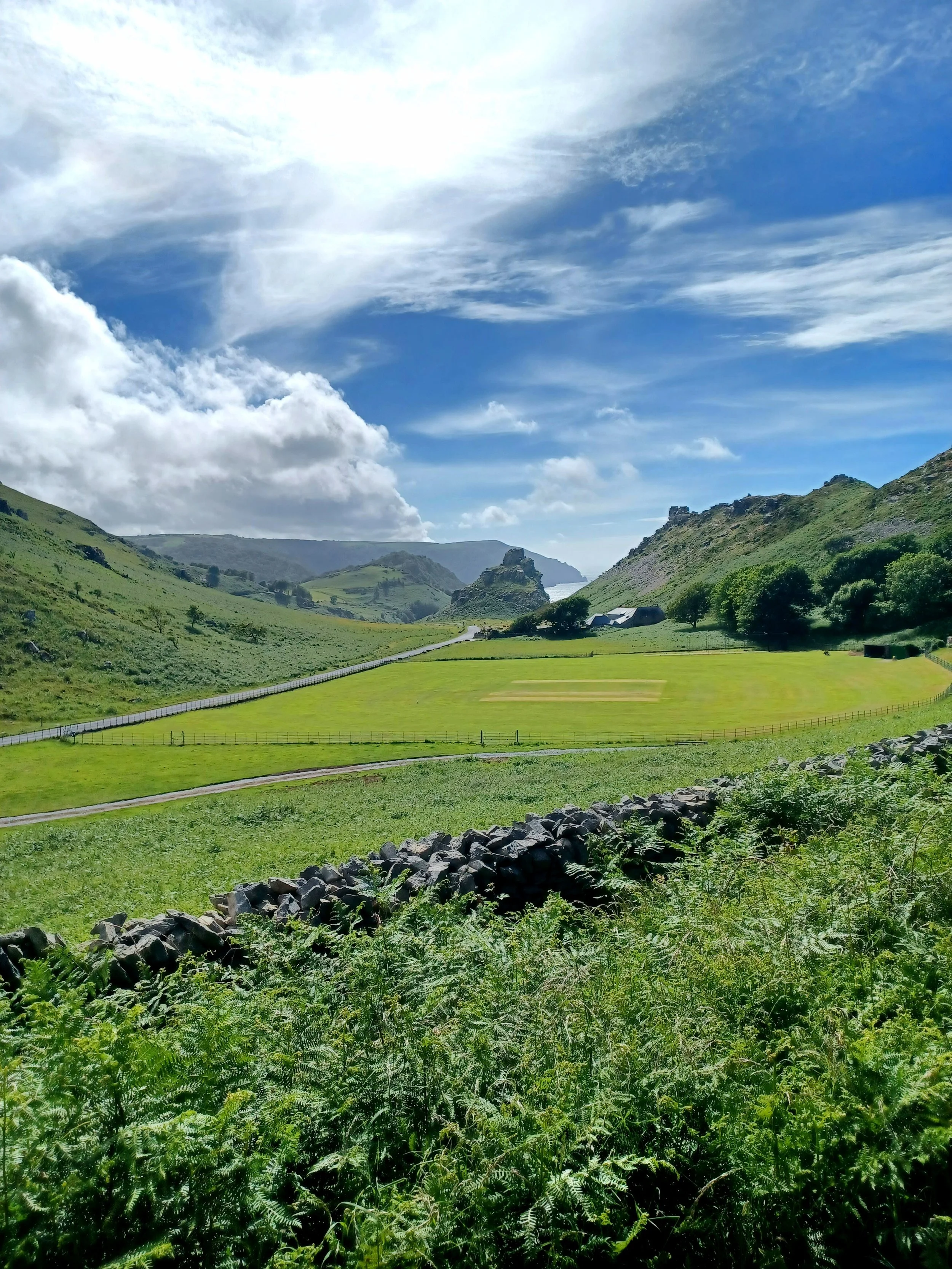
(Valley of Rocks with cricket pitch in foreground)
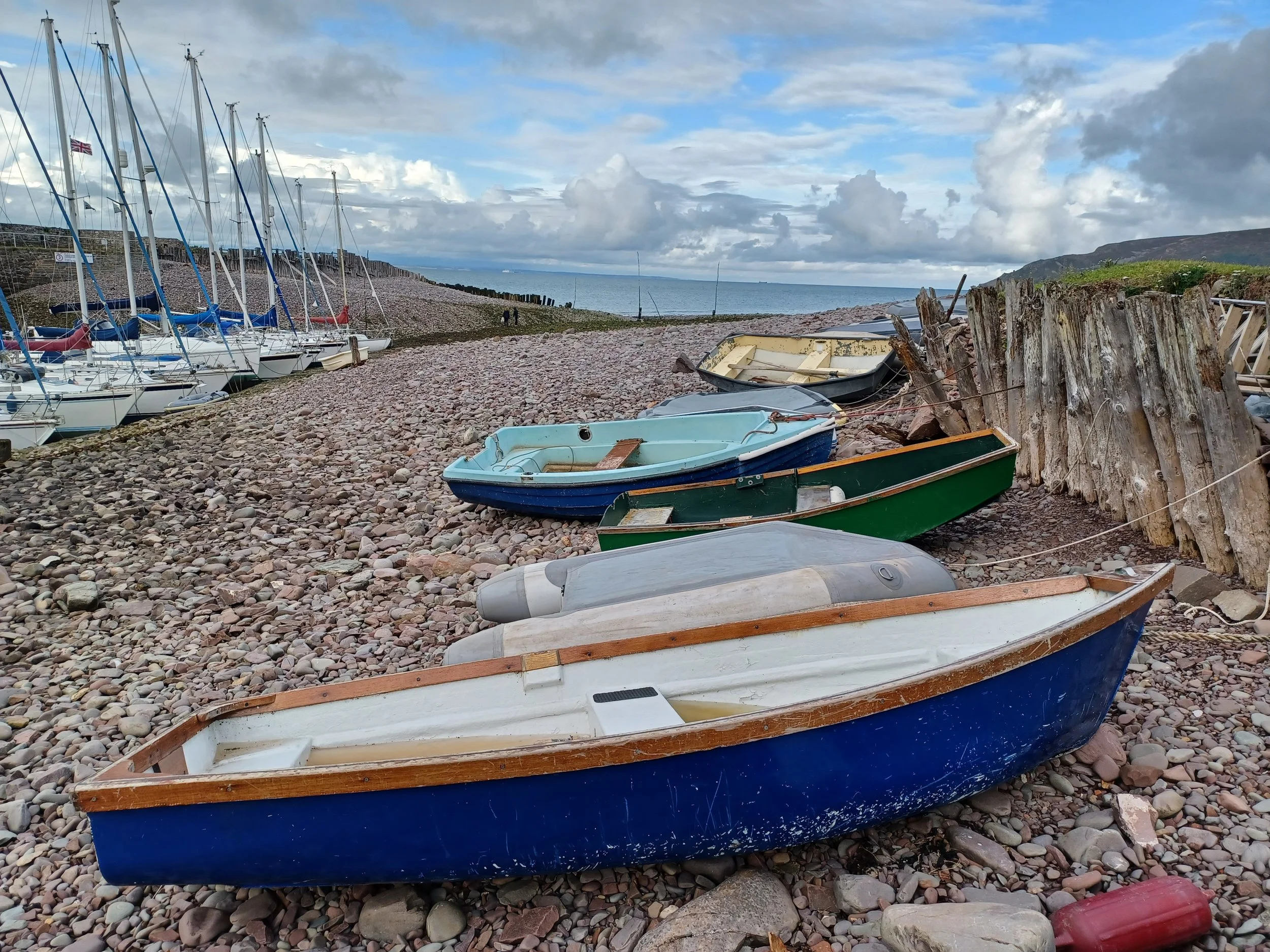
(Porlock Weir)
Porlock Weir is a quaint coastal hamlet with a small harbour at the Western end of Porlock beach. Located roughly 1.5 miles west of of Porlock village, it has served as a safe haven for fishing boats and sailors for over a thousand years. Today, it is widely celebrated for its rich history, distinct shingle ridge beach, exceptional local oysters, and its tranquil, timeless atmosphere.
A thatched harbourside pub and a hotel, both with some outside tables, serve food. A restaurant, an Oyster eatery, a cafe, and an ice cream shop also grace the Weir for more dining and refreshment. Browse local craft at the independent shops.
Enjoy a walk from Keld to Porlock Weir, via Sparkhayes lane and the beach. For a longer walk from Keld to the Weir, begin at the Hawcombe road leading to a footpath up to the top of Porlock Hill and down through Worthy Wood. If you prefer to drive, there is a pay on exit car park, where there are toilets.
Porlock Wier is the destination for one of our favourite longer walks in the area, starting at the beginning of the South West Coast Path in Minehead. This is a 9 mile walk with many spectacular views. There is an infrequent bus service between Porlock Weir, through Porlock village to Minehead. We sometimes park our car at the Weir, take a bus from the Weir to Minehead and walk the coast path back to the Weir. Alternatively take the bus from Porlock village (almost opposite Keld) to Minehead, walk to the Weir and take the bus back to Porlock village. It can be difficult though, to estimate how long the walk will take and the busses are infrequent, so do check the timetable!
Another walk that can be enjoyed from the Weir is to follow the South West Coast Path through coastal woodland to visit Culbone Church, widely considered to be the smallest parish church in England.
(Overlooking moorland from County Gate)
Well established footpaths meander through enchanting river valleys and over rolling open moors.